
There are some things that cannot be understood until they are witnessed.
You can explain the science. You can describe activity-based training, neuroplasticity, and recovery-focused exercise. You can talk about spinal cord injuries, strokes, and other neurological conditions. You can share research, outcomes, and statistics.
All of those things matter.
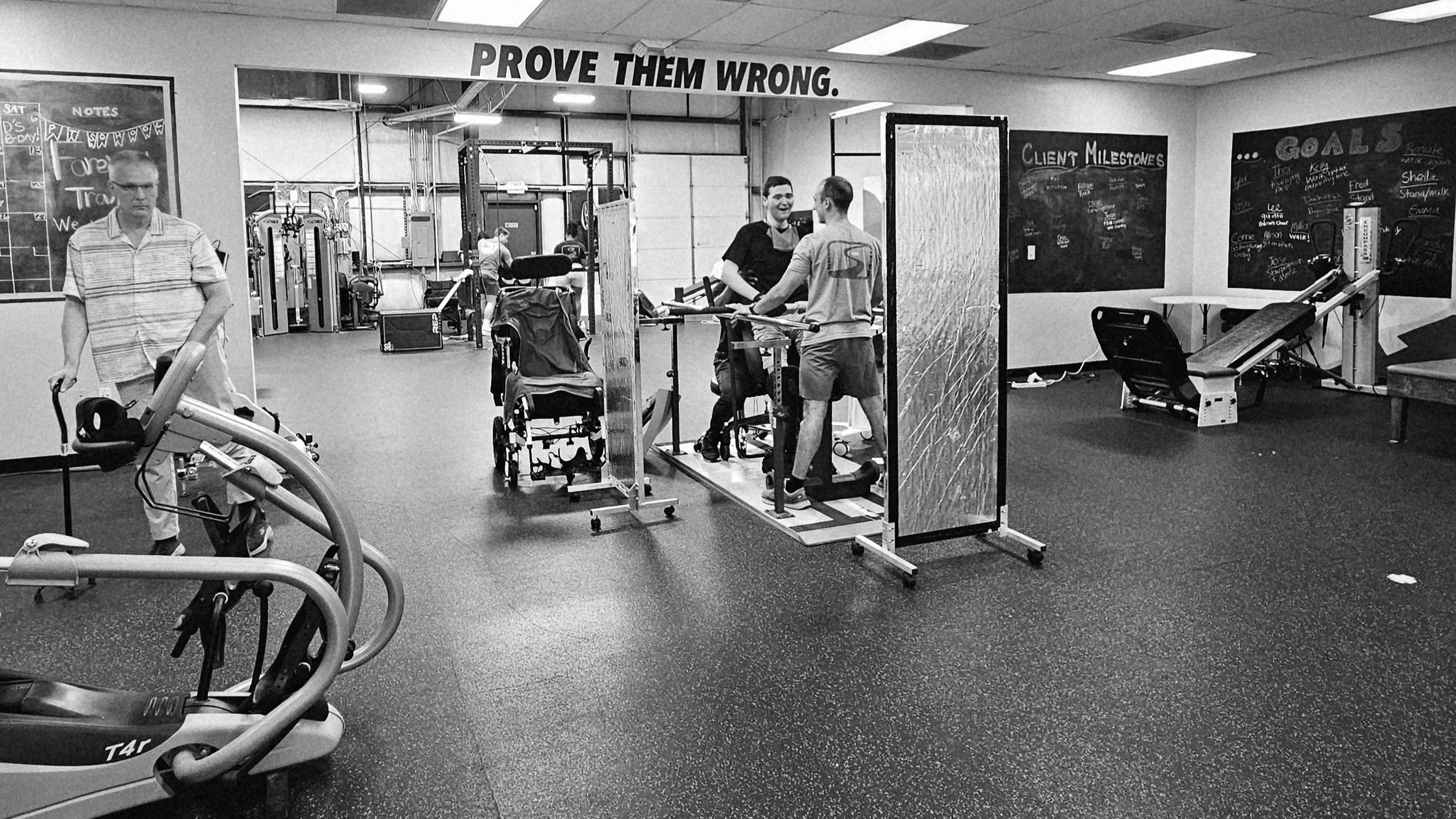
Yet none of them fully prepare you for what it feels like to stand quietly in the training center and watch someone continue pursuing a goal that many believed had already reached its limit.
When I accepted the opportunity to lead NextStep Raleigh, I thought I understood what was possible after a spinal cord injury, stroke, or other neurological condition.
Like many people, I believed neurological recovery happened primarily in the hospital or during traditional rehabilitation. I assumed there came a point when progress simply stopped. That once the injury healed and physical therapy ended, people reached the limits of what was possible. That this was as good as it was ever going to be.
Then I walked through the doors of NextStep Raleigh.
What I found wasn't what I expected.
I didn't discover dramatic breakthroughs every day.
I discovered something quieter.
I discovered trainers who celebrate movements most people would never notice.
I discovered clients whose determination is measured not only by what they accomplish, but by their willingness to return tomorrow and try again.
I discovered families who understand that progress is often measured in moments rather than milestones.
And I discovered a community that believes neurological recovery is not defined by a timeline, but by the opportunity to continue pursuing it.
Over the past year, I've come to understand that some of the most meaningful victories are also the easiest to overlook. A movement measured in inches. A task completed with a little more independence. A goal that changes because a new one suddenly seems possible.
These moments rarely make headlines. But they change lives.
As we begin the journey toward this year's Stand Together Gala, I'd like to invite you into something a little different.
Over the coming months, I'll be sharing a series of reflections. Not about event planning, but about the people, lessons, and moments that have changed the way I think about neurological recovery, community, and hope.
This is the first.
Thank you for coming along.
Sandy Mera Bridger, Executive Director
NextStep Raleigh